

Last Updated on April 9, 2026 by Khabr Bite
A two-week ceasefire between the United States and Iran is already in serious trouble. Just a few hours after the deal was announced, Israel unleashes its deadliest attack yet on Lebanon, Iran again blocks one of the world’s most important oil routes, and both sides are entirely disagreeing on what they actually agreed to. In fact, the ceasefire agreement is mainly a deal between the US and Iran. Israel and Hezbollah are not formally part of it, which makes the situation on the ground even more confusing.
Israel’s Massive Lebanon Strike Tests the Ceasefire
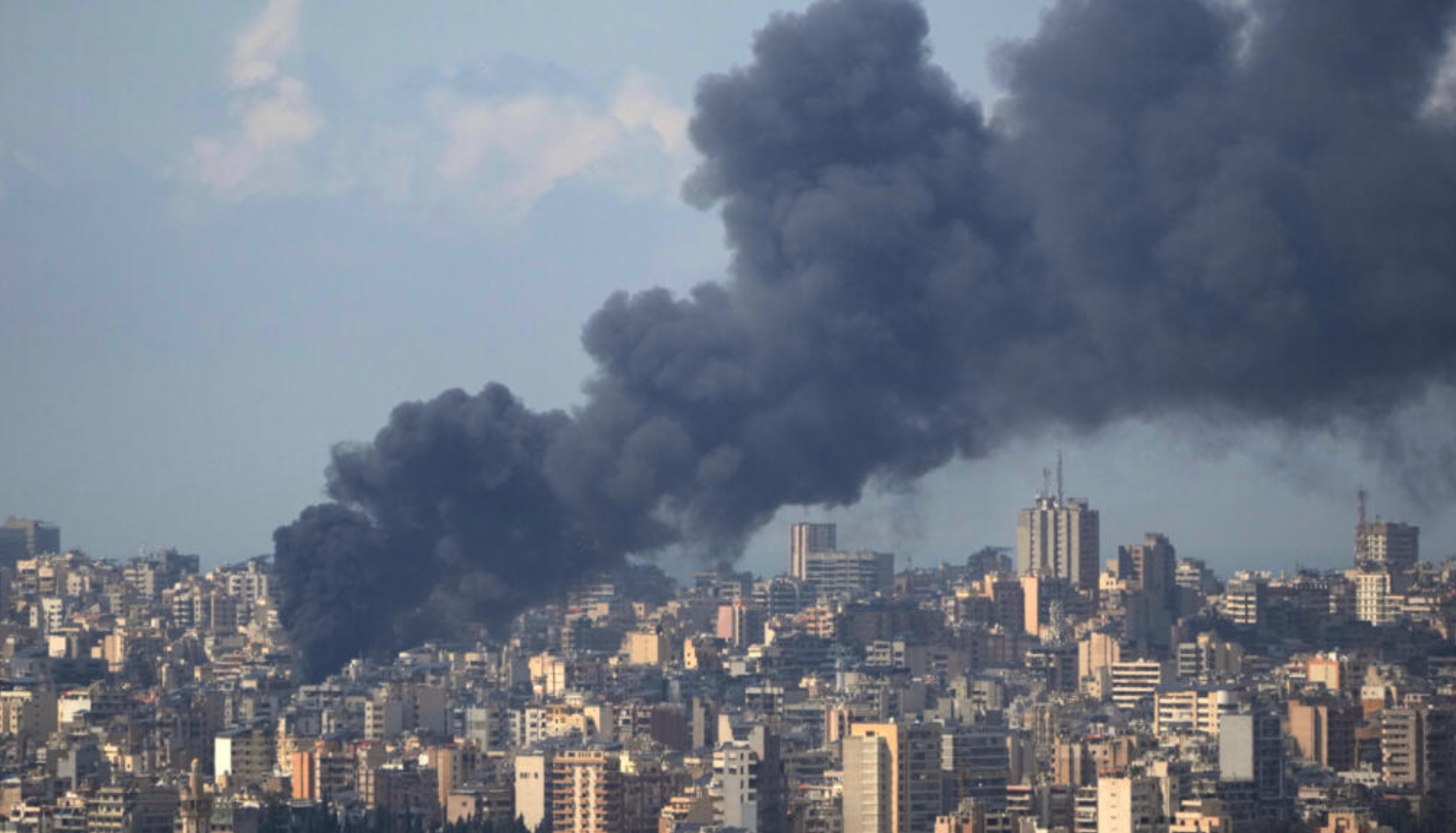
Israel launched its largest attack on Lebanon since the outbreak of the war mere hours after the ceasefire was announced. Israeli forces targeted over 100 Hezbollah locations all over Beirut, southern Lebanon and the Bekaa Valley in a 10-minute operation.
According to Lebanon’s health ministry, approximately 182 people died on Wednesday thus making it the deadliest day of the whole conflict. Besides the fatalities, a considerable number of people are reported to be injured. Some of the places that were struck are residential buildings and major commercial areas of Beirut. The situation was described by journalists on the ground as total chaos with injured people running in cities, children crying and hospitals overflowing.
Also Read: 2026 Tata Nexon Spotted Testing with Full Cover: Facelift or New Engine Option?
There was no indication from Israel of its intention to downsize the military operation. The Chief of Staff of the Israeli Army, Lt. Gen. Eyal Zamir said that Israel will keep “exploiting any operational opportunity” to hit Hezbollah. On television, the Prime Minister, Benjamin Netanyahu, cautioned that Israel was “prepared to get back to fighting at any moment.”
In a public announcement, US Vice President JD Vance admitted that the ceasefire pact was “very delicate” indicating that the agreement was heavily troubled even before the start of formal peace discussions.
Is Lebanon Part of the Deal? US and Iran Cannot Agree
In fact, the major issue that could potentially end the ceasefire is this very simple question: Is Lebanon part of the agreement or not?
Iran and Pakistan say yes, but the US and Israel say no. At the time the ceasefire was announced, Pakistan’s Prime Minister Shehbaz Sharif, a key figure in the deal, took to social media to declare that “the agreement covered everywhere including Lebanon and elsewhere.” Later Netanyahu sharply clarified that the ceasefire had nothing to do with Lebanon.
Also Read: IPL 2026 Fan Parks Phase 2 Announced: 30 Cities, 6 Weekends, Full Schedule Revealed
Iran’s Minister of Foreign Affairs Abbas Araghchi used strong words. “People around the world are witnessing the killing of innocent people in Lebanon, ” he posted on the internet. “The ball is in the US’s court, and the world is waiting to see whether it will fulfill its pledge.”
Adding to the confusion, Vice President Vance admitted that there were actually three different versions of Iran’s 10-point ceasefire proposal that were being circulated simultaneously. Mohammad Bagher Qalibaf, the Speaker of the Iranian Parliament, went even further to suggest that peace negotiations had become “absurd” at present as the US had already broken three of Iran’s conditions even before talks began. These, according to Tehran, were the continued strikes on Hezbollah in Lebanon, an alleged drone entering Iranian airspace post-ceasefire, and US denial of Iran’s uranium enrichment capability.
The Soufan Center, a security research organization, pointed out that Israel was allegedly informed about the ceasefire agreement very late and “wasn’t happy.” Netanyahu seems ready to continue with the Lebanon operation at any cost, even if it upsets the bigger deal.
Strait of Hormuz Shuts Again After Lebanon Bombings
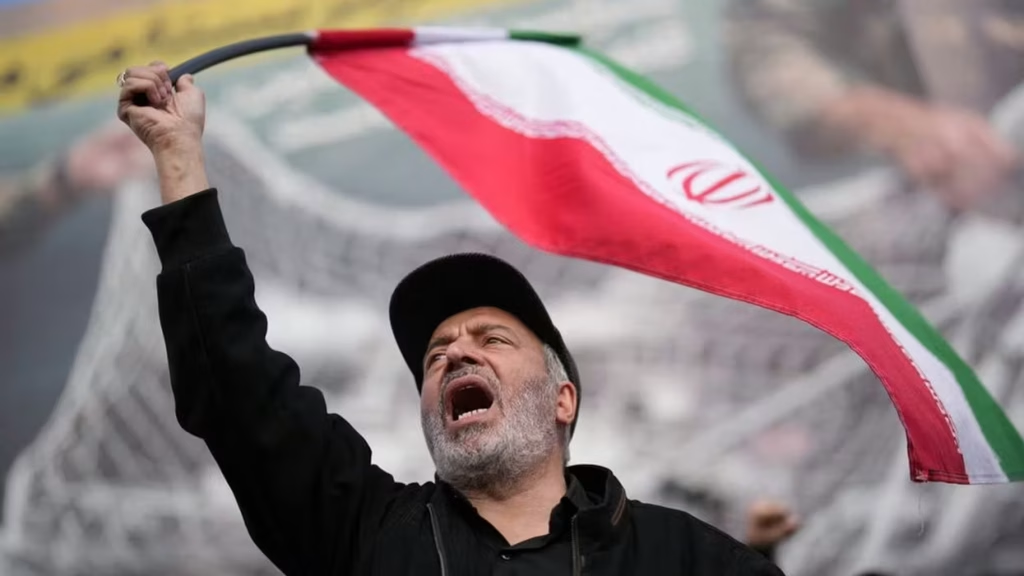
The Strait of Hormuz, normally a narrow passage where approximately 20% of the world’s oil and gas are transported, has more or less closed down again.
According to Iran’s Revolutionary Guard, the shipment through the strait stopped after the Israeli airstrike on Lebanon. Tehran described the strike as a direct violation of the ceasefire. Maritime tracking data backed this up. Over 400 tankers, 34 vessels carrying liquefied petroleum gas, and 19 carrying liquefied natural gas were still anchored in the Persian Gulf as of early Thursday without any signs of departure.
On a typical day before the war, about 138 vessels would pass through the strait. Now, more than 24 hours after the announcement of the ceasefire, only a few ships have crossed.
Oil prices, as one might expect, reacted to the worries. Brent crude, the world’s most widely used oil price benchmark, went up by over 3% on Thursday to nearly $98 a barrel.
Ceasefire day 1, unfortunately, wasn’t a success in multiple ways. “Neil Crosby of Sparta, a market intelligence platform, said.” Since no change has happened in the strait’s traffic pattern, why would there be? For safety reasons, no one would try to risk it.
The White House branded the closure as “completely unacceptable.” Trump tweeted that the strait “WILL BE OPEN AND SAFE”, and warned that the US military forces would remain in their positions around Iran until it fully complies.There have been even reports that Iran wants the shipping companies to pay a toll through Bitcoin for every barrel of oil with the amount of one dollar up, however, such a matter has not been independently checked yet.The Soufan Center pointed out that this move, aside from raising funds, is also intended to challenge the global petrodollar system which has been running for five decades.
Pakistan Hosts Make-or-Break Talks This Weekend
Now all eyes are on Islamabad, the venue for the first direct US-Iran talks, which are scheduled for Saturday.
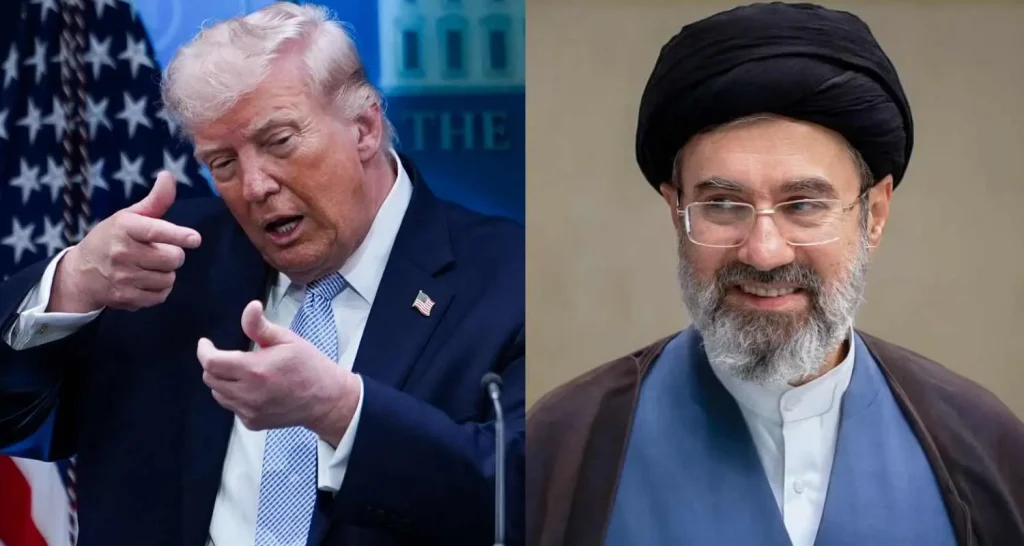
Vice-President JD Vance, special envoy Steve Witkoff together with Jared Kushner will be the leaders of the American side. Tehran’s ambassador stated that Iran’s delegation is likely to make their way to the capital of Pakistan on Thursday night.
Due to a sudden two-day public holiday, the authorities have closed the streets of Islamabad and the officials will put the area under strict security lockdown during the talks.
Also Read: IPL 2026 Update: BCCI Restricts Bench Players, New Rules Explained
Almost no one would think of Pakistan as a major international player since the country has often been in the news for its economic crises and security problems. But now, it is being recognized as a main link between two countries that were at war just a few days ago. This is actually a remarkable moment for Pakistan.
The differences between the two parties are still huge. Iran is demanding a complete withdrawal of US military forces from the region, the removal of all sanctions, and access to its frozen assets. On the other hand, the US is asking Iran to stop its nuclear weapons program altogether and ensure the free passage of ships through the Strait of Hormuz.
According to The Soufan Center, both countries do have compelling reasons to seek a resolution. Iran’s economy, according to the Iranian political officials who spoke to Reuters, is “in a shambles.” On the American side, a Pew Research survey conducted in late March showed that 61 percent of Americans were not happy with President Trump’s handling of the conflict.
World Leaders Condemn Israel’s Lebanon Attacks
The worldwide outcry at Israel’s bombing in Lebanon has been quick and sharp.
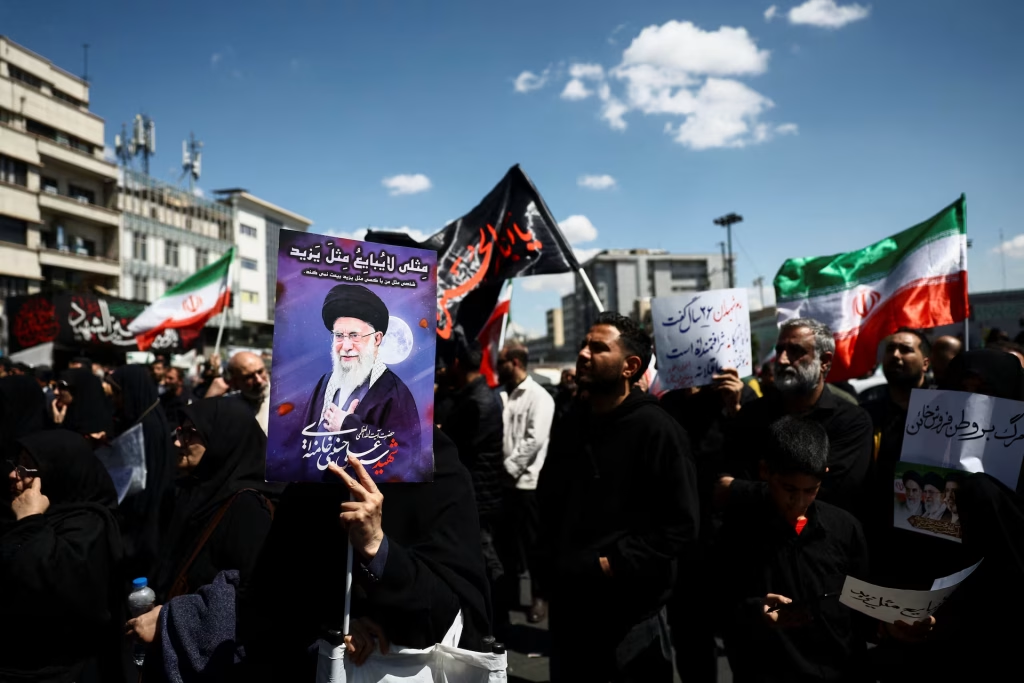
French President Emmanuel Macron labeled the bombings as “indiscriminate” and said they “directly threaten the viability of the ceasefire.” The UK’s Foreign Secretary declared the bombings were “extremely harmful” and Lebanon should be a part of the agreement. Spain’s PM described Netanyahu’s disregard for international laws “unbearable.” Italy called for the Israeli ambassador.
Qatar termed the bombings “cruel.” Turkey expressed its disapproval “in the strongest language possible.” UN Secretary-General António Guterres stated that he “totally” condemned the bombings and warned that they could lead to “the extremely dangerous loss of the ceasefire.” The Red Cross has expressed its amazement at the level of damage of the destruction in areas where there are large numbers of civilians.
Maxime Prévot, Belgium Foreign Minister, shared one of the most dramatic personal experiences. He was at the embassy of Belgium in Beirut when a missile struck only a few hundred meters away from the embassy. He said that it was high time to stop the violence and the ceasefire between Israel, US and Iran should be extended to include Lebanon.
Arab League chief Ahmed Aboul Gheit has blamed Israel for “deliberately trying to undermine” the ceasefire agreement.
Also Read: Babar Azam Snaps at Reporter Over Virat Kohli Comparison Amid PSL 2026 Criticism
Hezbollah’s Leadership Takes Another Hit
During the broader diplomatic crisis, Israel revealed a major result of the strike carried out by the military last Wednesday.
According to the Israeli military, the killing of Ali Yusuf Harshi, the personal secretary and nephew of Hezbollah leader, Naim Qassem, was done in a strike on Beirut. Harshi was a close associate and was mainly responsible in running and securing the office of Qassem. Prime Minister Netanyahu gave a personal confirmation about the killing.
Hezbollah retaliated by firing rockets at the Israeli kibbutz of Manara near the Lebanese border early Thursday. The group declared that it would continue firing until “the Israeli-American aggression against our country and our people” stops.
Besides that, the Israeli military also hit two of the most important border crossings which are used by Hezbollah to transport fighters and weapons over the Litani River, along with about 10 weapons storage sites, launchers, and command centers in southern Lebanon.
According to analysts, the signal sent by Israel seems quite clear. The country does not intend to cease the hit on Hezbollah, no matter what is agreed upon in Pakistan this weekend. A ceasefire, which only barely exists, might be the final blow.
