

Last Updated on January 30, 2026 by Khabr Bite
The Union Budget 2026-27 is a critical event in India’s economic calendar. It is the government’s financial roadmap for the upcoming fiscal year, presented by the Finance Minister. It lays out the Centre’s statement of accounts, economic priorities, and much more. Here’s the complete guide to help you understand what it is, why it matters, and how the process unfolds.
Union Budget 2026 Date and Presentation
The Union Budget is presented on February 1 of each year since the Modi government in 2017 advanced the date to ensure faster implementation of budget measures before the new financial year begins on April 1. Before that, the budget was presented on the last working day of February.
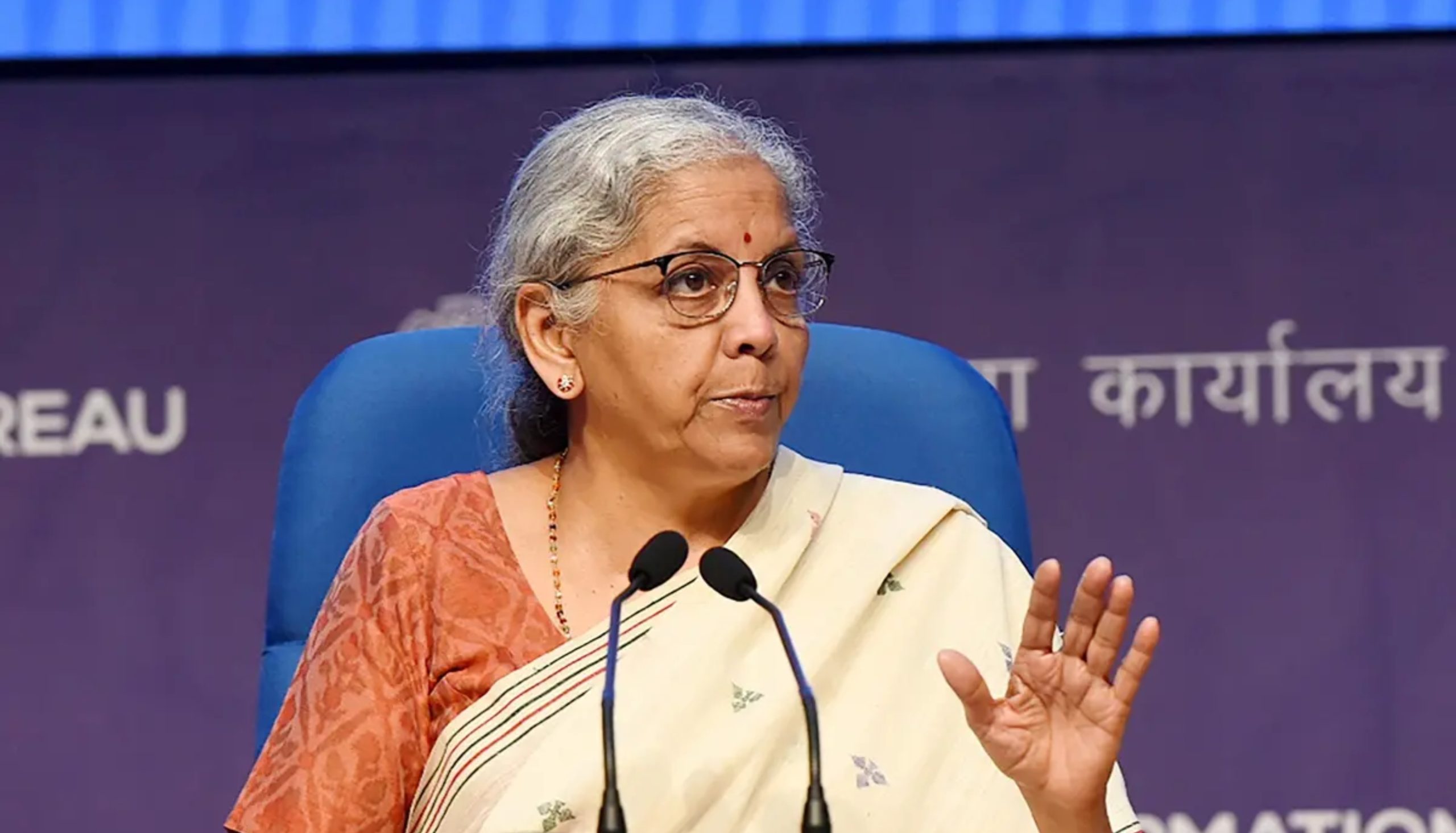
The Union Budget 2026 will also be presented on February 1, at 11:00 AM IST. Notably, for the first time in history, it will happen on Sunday. Union Finance Minister Nirmala Sitharaman will present it for the ninth consecutive time.
Interesting Fact: The first budget was presented on November 26, 1947, by independent India’s first finance minister, R. K. Shanmukham Chetty.
Also Read: China Executes 11 Scam Leaders Linked to Myanmar in Major Anti-Fraud Drive
Expectation From Union Budget 2026
The highlight of the Union Budget 2025 became the government’s decision to keep income up to ₹12 lakh effectively tax-free. While sweeping changes to tax slabs are unlikely this year, as the changes were made recently, experts anticipate several “middle-class friendly” adjustments.
Some experts also anticipate increasing the tax-free slab to up to ₹17 lakh income.
Healthcare could become an important topic of discussion this year, as healthcare bodies are urging the government to raise public health spending to 2.5% of GDP from ~1.9%.
CEO of P.D. Hinduja Hospital & Medical Research Centre, Gautam Khanna, says, “As we approach the union budget for FY 2026-27, there is an opportunity to further accelerate the progress by increasing the government’s expenditure on health to 2.5–3% of the GDP.”
Experts also suggest that the government is likely to target a deficit of around 4.3% to 4.4% of GDP. This will be part of its strategy to attain the 4% target by FY27.
The budget is also expected to address the US-driven tariff wars and supply chain shifts.
What is the Union Budget?
The Annual Financial Statement or the Union Budget is the estimated account of the Government of India’s receipts and expenditure for the financial year (April 1 to March 31). It reveals how much the government expects to earn and how it will spend it during the financial year.
It is divided into two main parts: the Revenue Budget and the Capital Budget. The former deals with the government’s day-to-day income from taxes, interest, etc., and expenses that are salaries and subsidies. These do not create assets or reduce liabilities.
Also Read: “Hope We Don’t Segregate Schools Like the US”: Supreme Court’s Key Quotes on UGC Rules
The Capital budget has receipts from loans from the public, foreign government, and RBI, and expenditures on long-term assets (infrastructure, roads, hospitals, etc.).
Why Does the Union Budget Matter?
The Union Budget is presented every single year and plays a key role in the functioning of the government. It is not just a balance sheet; it defines personal income tax slabs, allocates funds for sectors, signals government fiscal health, and much more.
Not only is it important for the government, but also for the citizens. It directly affects their lives, as it announces the changes in income tax slab, tax rates, and more.
The Budget Process
- The budget process starts 5-6 months earlier than the presentation date, with consultations between the Finance Ministry and other ministries.
- A Halwa Ceremony is held roughly 10 days before the budget. It marks the start of the “lock-in” periods, as all the officials will remain in the North Block to maintain the secrecy of the budget.
- The Finance Minister then delivers the Budget speech in the Lok Sabha.
- Both the Lok and Rajya Sabha debates on the general themes of the budget.
- The Lok Sabha votes on the “Demands for Grants.”
- The Appropriation Bill and the Finance Bill are passed and receive Presidential approval.
Now every Indian citizen is awaiting the release of the Union Budget 2026 to witness what’s in government priority this year. With only days away from the release, expectations are high, especially among the middle class, for tax relief, not just tweaks.
