

Last Updated on April 8, 2026 by Yash Saini
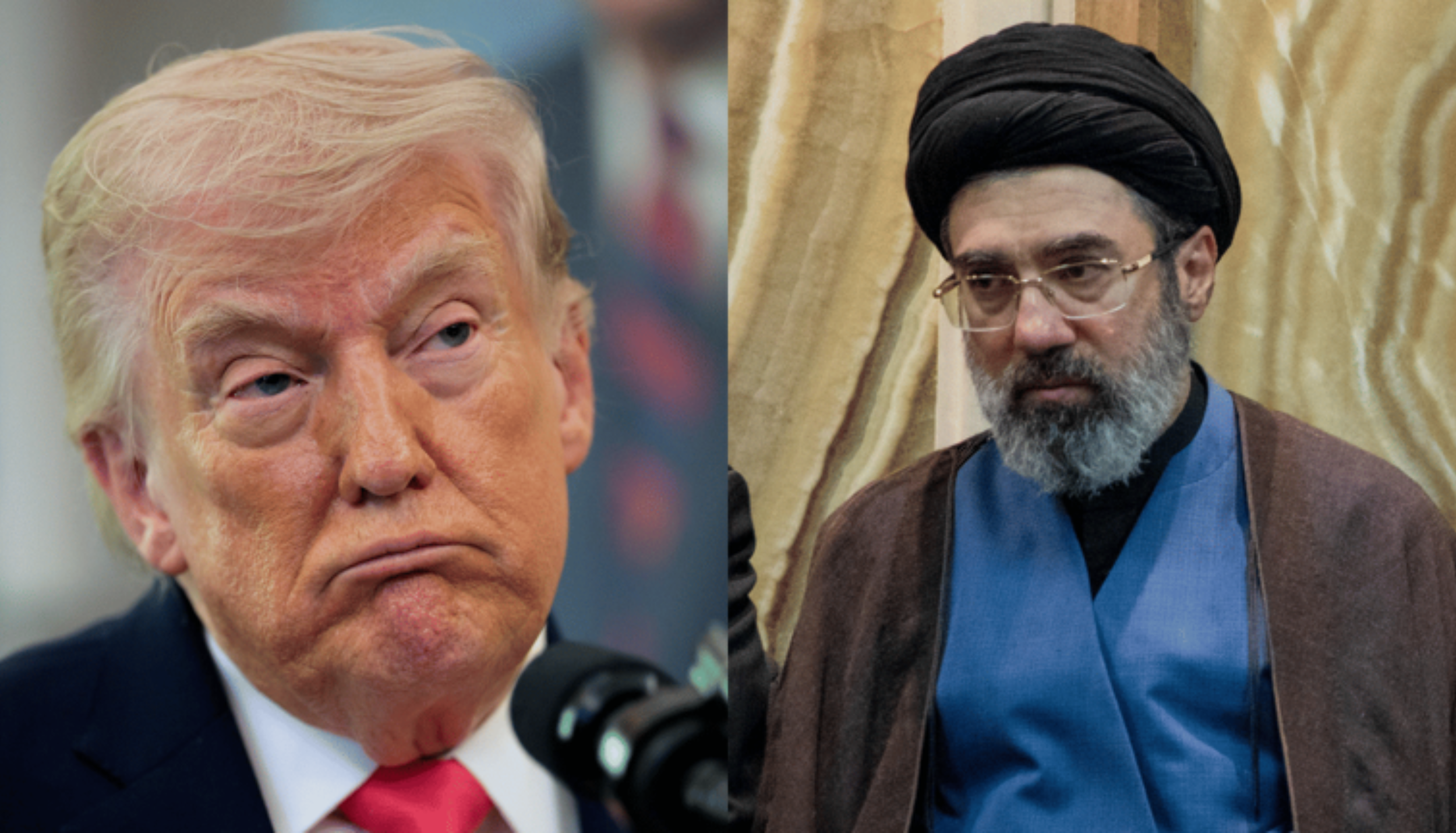
President of US Donald Trump revealed that a 10-point proposal from Iran had been received by Washington. He called it a “workable basis on which to negotiate, ” as both parties agreed to hold a two-week ceasefire after several weeks of conflict escalations.
The last-minute agreement halted a further escalation and resulted in the reopening of the Strait of Hormuz, a major oil route around the world, which had been closed during the conflict.
Although the ceasefire has been portrayed as just a temporary break, it is now expected that negotiations will decide whether a longer-term agreement is achievable.
Also Read: India Says ‘Only Nation to Lose Mariners’ in Iran War, Joins Urgent UK Hormuz Talks
Brief Background
The conflict reached a peak in late February when the US and Israel conducted synchronized attacks on Iran, which led to Iran carrying out retaliatory actions throughout the region.
Iran also moved to close the Strait of Hormuz, a major international oil route, leading to a rapid increase in oil prices. The ceasefire deal entails the reopening of the passage, which has immediately helped the markets to recover.
The Ceasefire Agreement
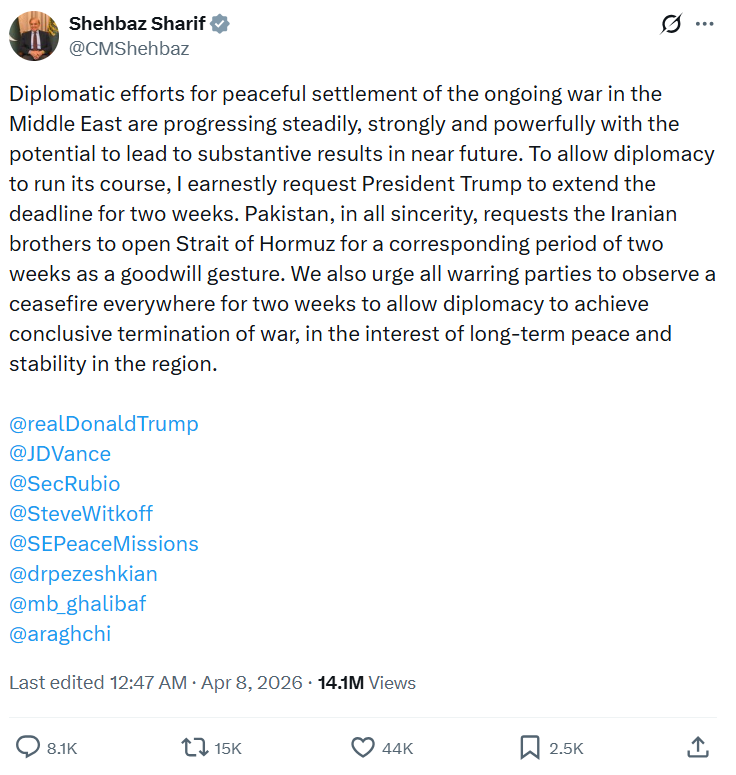
The breakthrough followed mediation by Pakistan. Prime Minister Shehbaz Sharif stated that he had invited US and Iranian delegations to Islamabad for talks from Friday.
Sharif further hinted that the ceasefire was meant to be regional, however, other parties have disputed it.
Some of the most important issues are:
- Iran agrees to open the Strait of Hormuz.
- The USA and Israel agree to a strike-free period of two weeks.
- Iran and the USA representatives are set to convene in Islamabad for negotiations.
After the statement, oil prices went down dramatically and the world markets saw a positive movement which reflected a cautious optimism in the future developments.
Source: ndtv.com
What Is in Iran’s 10-Point Ceasefire Plan?
Iran’s suggestion features a wide-ranging roadmap that not only lays down a ceasefire but also tackles the major geopolitical and economic challenges.
Key Elements Include:
- A permanent ceasefire and cessation of all hostilities.
- Stopping conflicts in the whole region such as Iraq, Lebanon, and Yemen.
- Opening the Strait of Hormuz under Iranian military control.
- Establishing a good system for quick and safe passage of ships, it may also envision charging tolls for transit.
- Withdrawal of all US and international sanctions.
- Unfreezing of Iranian financial assets.
- Providing compensation or support for reconstruction of war-damaged areas.
- Allowing Iran to continue with uranium enrichment as well as non-proliferation safeguards.
- Removing US troops from the Middle East.
- Making any deal official by a United Nations resolution.
Also, Iran is seeking some assurance that it will not be attacked by the US or its allies in the future, as well.
According to the Iranian Foreign Minister Abbas Araghchi, the safe passage via the Strait of Hormuz is possible with the management of Iran. However, it is still ambiguous how much of the control Tehran will have.
Why Is the US Unlikely to Agree Fully?
Several aspects of the plan are at odds with the US positions that have been in place for decades.
Washington will not be willing to remove sanctions unless there are strong and confirmed restrictions on Iran’s nuclear programme. In the same way, giving Iran control or even a supervisory role over the Strait of Hormuz would be a big worry to the US and its allies who rely on stable energy supplies to their countries.
Demanding a complete pullout of US troops from the region is also judged to be impossible. Above all, Iran’s continuation to enrich uranium without clear and meaningful limitations will be a big sticking point in negotiations.
Also Read: Strait of Hormuz Explained: Why Iran Wants the World to Accept Its Authority
US and Global Problems
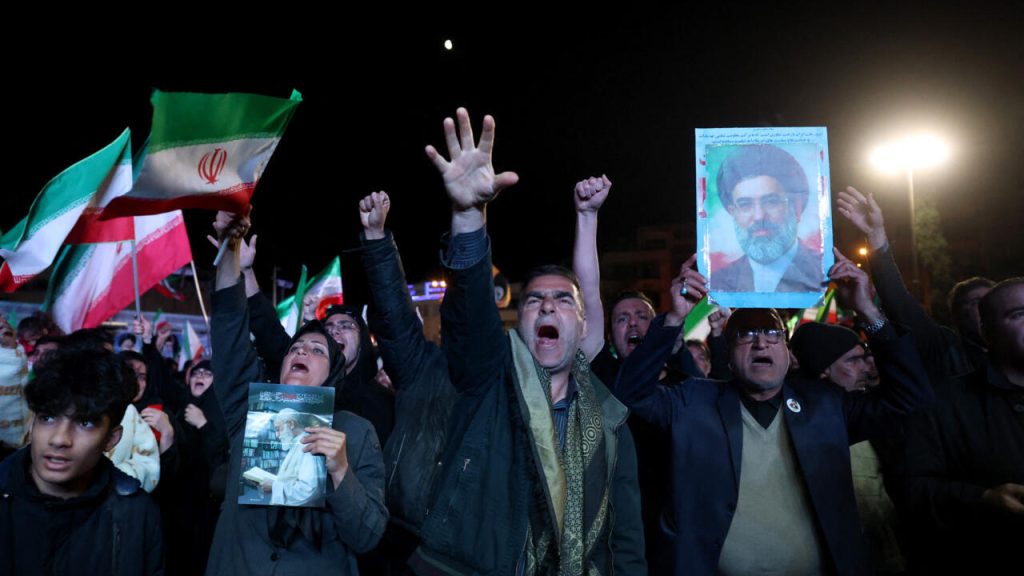
Although Trump called the proposal a “workable” plan, American officials and lawmakers have expressed concern about some aspects of it.
Democratic Senator Chris Murphy remarked:
“Who knows if any of that is true … cataclysmic for the world”
He warned that giving Iran the power to control the Strait of Hormuz would lead to significant consequences for the world.
Experts point out that the proposal poses biggest demands especially with respect to lifting the sanctions, military withdrawal and nuclear policy, which will most likely result in the US not completely accepting the proposal.
Trump has also suggested that the US military would still operate near the Strait, which is a sign of unwillingness to a complete withdrawal.
Israel’s Position and Lebanon Dispute
Benjamin Netanyahu’s office pointed out that Iran should reopen the Strait of Hormuz and cease its attack on the US, Israel, and their allies in the region.
Also, Israel supported the US initiative to eliminate Iran’s nuclear and missile capabilities. However, Netanyahu noted that the ceasefire is not valid for Lebanon, as the war with Hezbollah is going on there.
This contradicts Pakistan’s position that the ceasefire should be effective on all fronts, which shows that there are differences even at the beginning regarding the extent of the deal.
What Happens Next?
They will both probably dispatch representatives to Islamabad to discuss how to reconcile their differences.
Apart from that, Iran’s nuclear programme, easing the sanctions, and security in the region are the top issues that the two sides have to take into consideration. Things could even get worse if there is mutual distrust between the two parties along with interference from regional powers.
Also Read: Realme Narzo 100 Lite 5G India Launch on April 14: 7,000mAh Battery, 144Hz Display
Conclusion
The ceasefire over the past two weeks has created an opening for dialogue and has contributed to stabilising the price of oil to some extent. Nonetheless, these two countries still have a number of serious disagreements that are not solved. The outcome of this brief opportunity to talk depends on the willingness of the two parties to make concessions on these main issues.
