

On February 1st, Finance Minister Nirmala Sitharaman will deliver the Union Budget for 2026, outlining how the government plans to raise and spend money. Known as the Annual Financial Statement, it establishes economic policy for the upcoming year. Let’s understand the key terms related to financial budget so that you can feel confident during the session.
Also read: Union Budget 2026: Date, Process, Importance and Key Facts
Core Budget Concepts
Budget Estimate (BE)
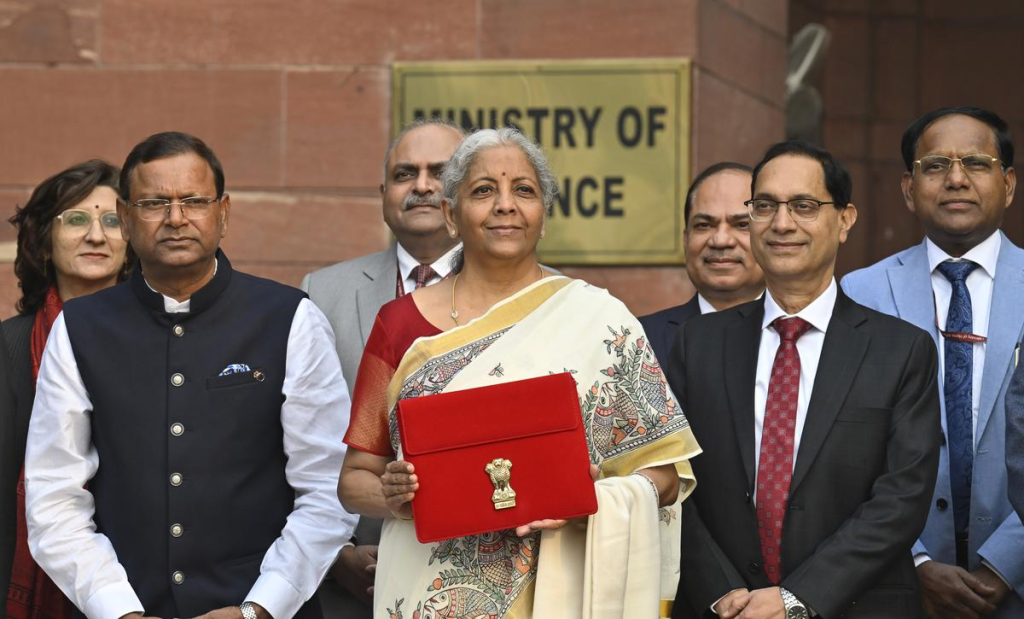
This is the expected income and expenditure projected by the Government for the upcoming year.
Capital Expenditure (Capex)

It is the money used to invest in a long-term asset such as a road, railway, school, hospital or piece of defence equipment in order to create economic growth.
Revenue Expenditure
The costs incurred in running the day-to-day operations of an organisation, such as salaries, pensions, subsidies, interest on debt, and maintenance of current facilities.
Also Read: “Hope We Don’t Segregate Schools Like the US”: Supreme Court’s Key Quotes on UGC Rules
Capital Receipts
It is any inflow of money that reduces the level of debt outstanding or increases the amount of assets held.
Cess

A targeted tax imposed to provide funds for a specific purpose, such as education or cleaning up the environment.
Also Read: India to Cut EU Car Import Tariffs to 40% From 110% Under Proposed Trade Deal
Key Funds and Taxes
Consolidated Fund of India (CFI)

Accounts established under Article 266(1) are used to receive all tax revenues, as well as fund the payments made by the Government of India.
Contingency Fund
A fund established for emergency purposes to cover unexpected disasters, which the Secretary to the Government of India manages on behalf of the President and is governed by Article 267(1).
Direct Taxes

Taxes based on income or profits are paid by individuals and companies, which are collected and managed by the Central Board of Direct Taxes.
Indirect Taxes
Taxes on goods and services (including GST, customs and excise taxes, and stamp duty).
Divestment

Sale by the government of shares of a public sector company to raise capital and allow private capital to participate.
Policy and Economic Terms
Economics Survey

The economics survey is the annual report that contains information about previous economic indicators and the effects of current policies.
Finance Bill
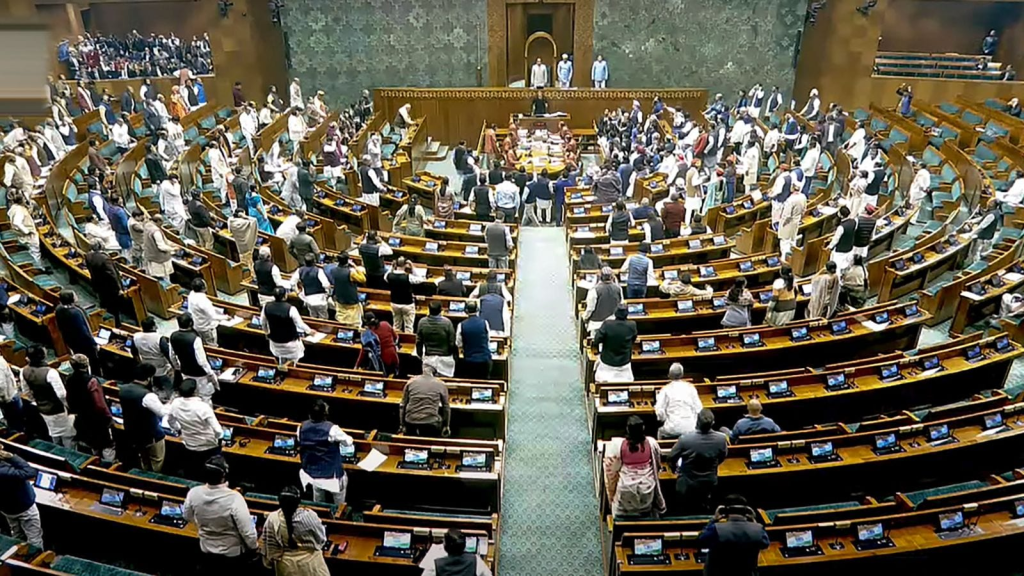
It is the legislation that has taxes and fiscal rules required under Articles 110 and 117.
Fiscal Deficit
The difference between the amount you are allowed to spend vs the amount you actually collected (excluding borrowings), expressed as a percentage of GDP.
Fiscal Policy
A combination of taxation, government expenditure, and borrowing to provide security and enable expansion.
Inflation

The speed at which prices are rising relative to the amount of money you have, typically at moderate levels, helps facilitate an economy’s growth.
These terms clarify how budget moves impact personal finances and the economy. Understanding them unlocks deeper insights into announcements on growth, taxes, and spending.