

Last Updated on April 23, 2026 by Khabr Bite
In a direct confrontation between Israel and Iran, control of the skies would be critical. Here’s a visual breakdown of how the two countries compare in terms of air power explained:
1. Israel’s F-35 Stealth Fighters
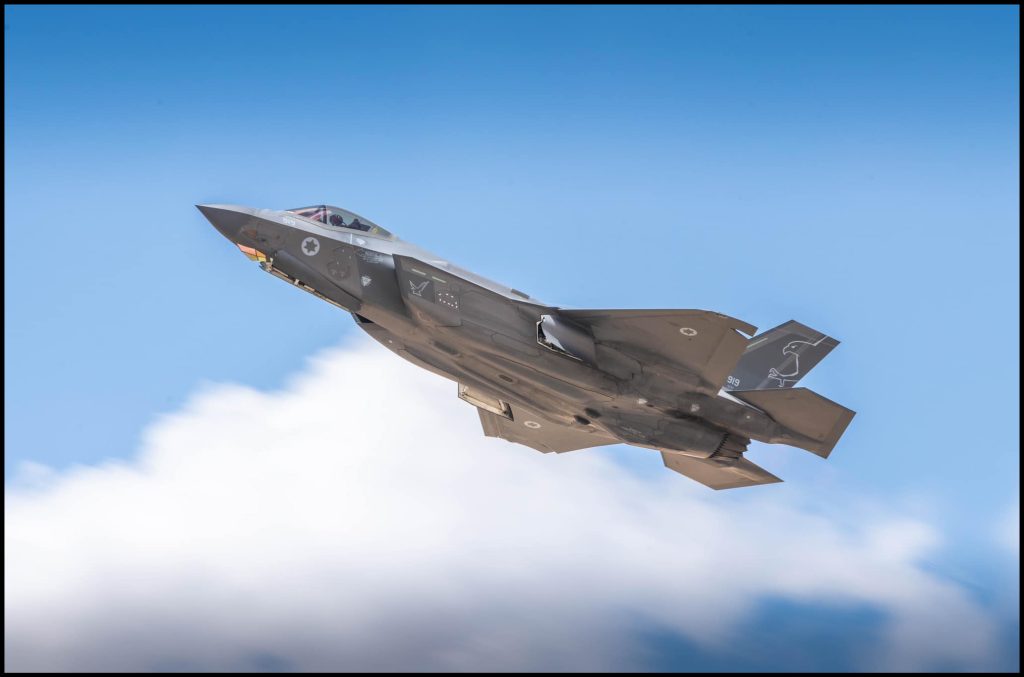
Israel’s F-35I jets are built to stay unseen. Designed for deep strikes, these aircraft can enter hostile airspace, hit targets, and exit before enemy radars fully react.
Also Read: Trump Announces ‘Board of Peace’ for Gaza: Members, Key Objectives and Hurdles
2. Israeli Fighters on Active Patrol
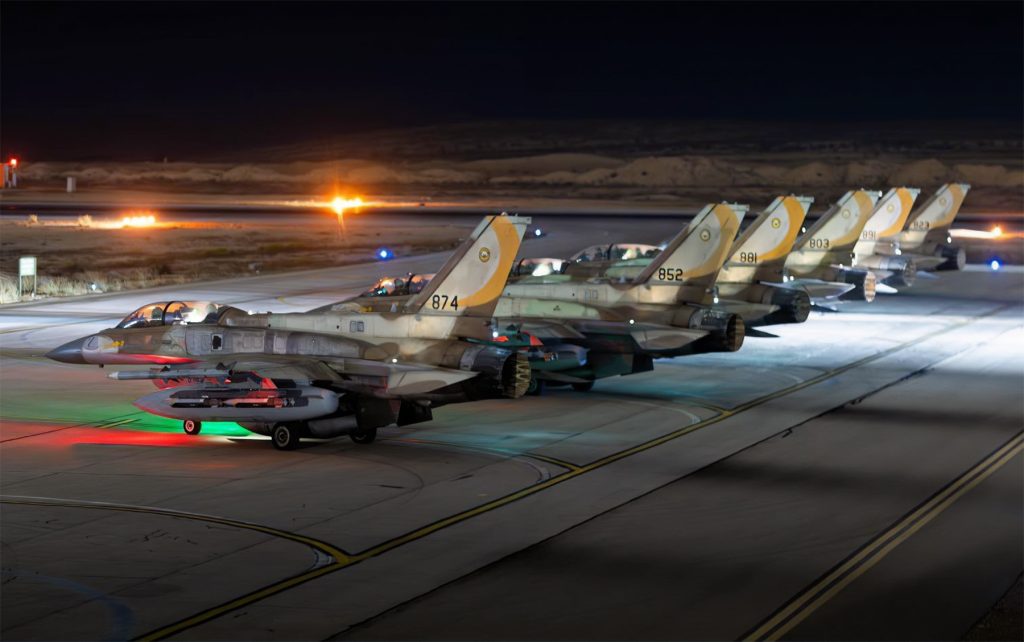
Israeli fighter jets are not just stationed, they fly regular patrols. The air force maintains high readiness, with pilots trained for rapid escalation scenarios.
3. Iran’s MiG-29 Fighters
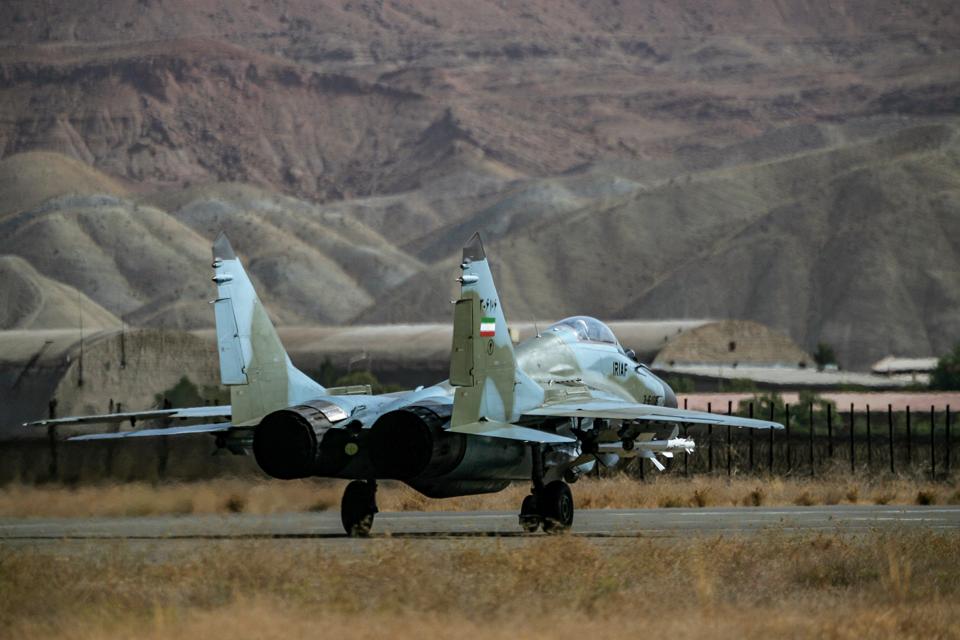
Iran’s MiG-29s remain a key part of its air force. However, these jets belong to an older generation, making them more visible to modern radar systems.
Also Read: Iran’s Protest Explained: Causes, Casualties, and Regime Change Demands
4. Iranian Su-24 Strike Aircraft
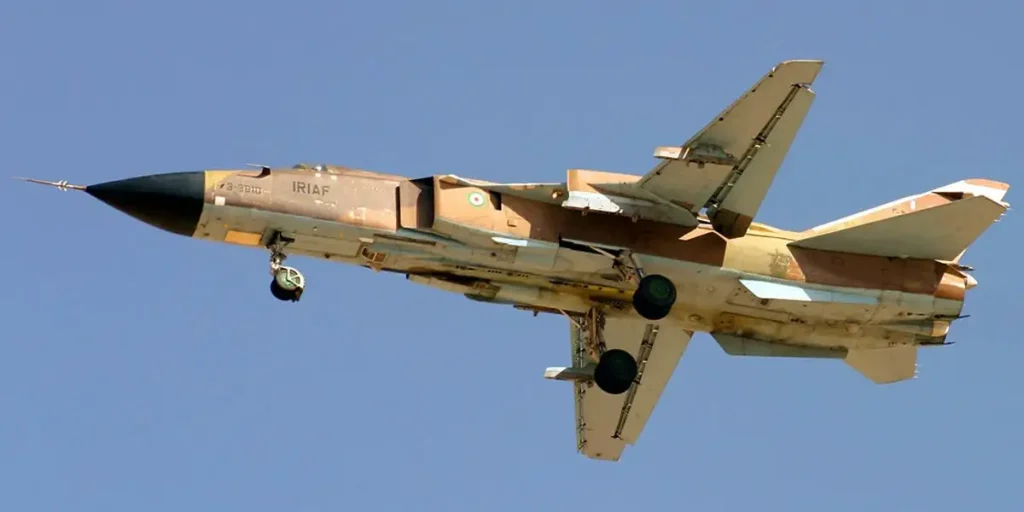
The Su-24 is designed to carry heavy payloads. While still operational, the aircraft reflects Iran’s dependence on Cold War-era platforms.
5. Shahed-136 Drones on Display
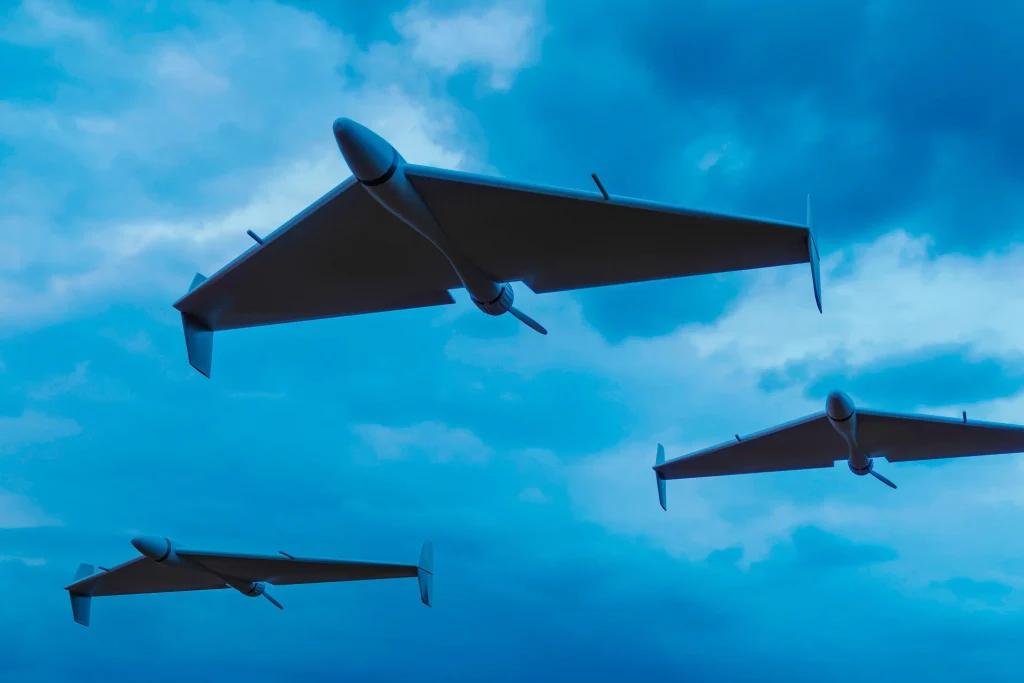
Iran has focused heavily on drones. The Shahed-136, often launched in large numbers, is intended to stretch and test enemy air defences.
6. Iran’s Long-Range Surveillance Drone
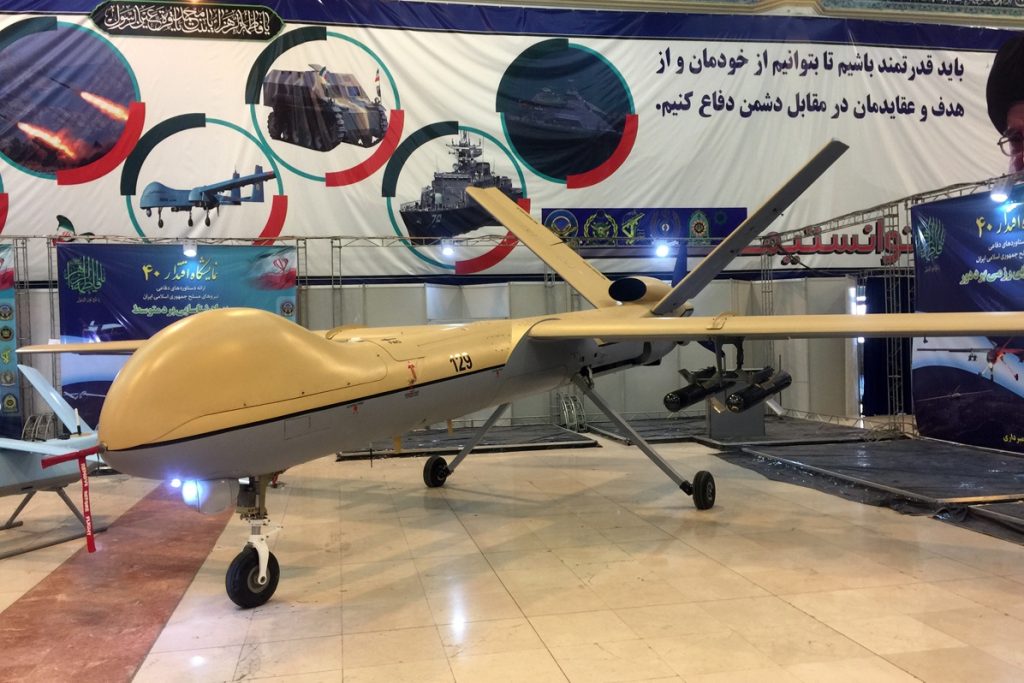
Drones like the Shahed-129 allow Iran to monitor distant areas for extended periods, providing intelligence without risking pilots.
7. Iron Dome Interceptors Over Israel
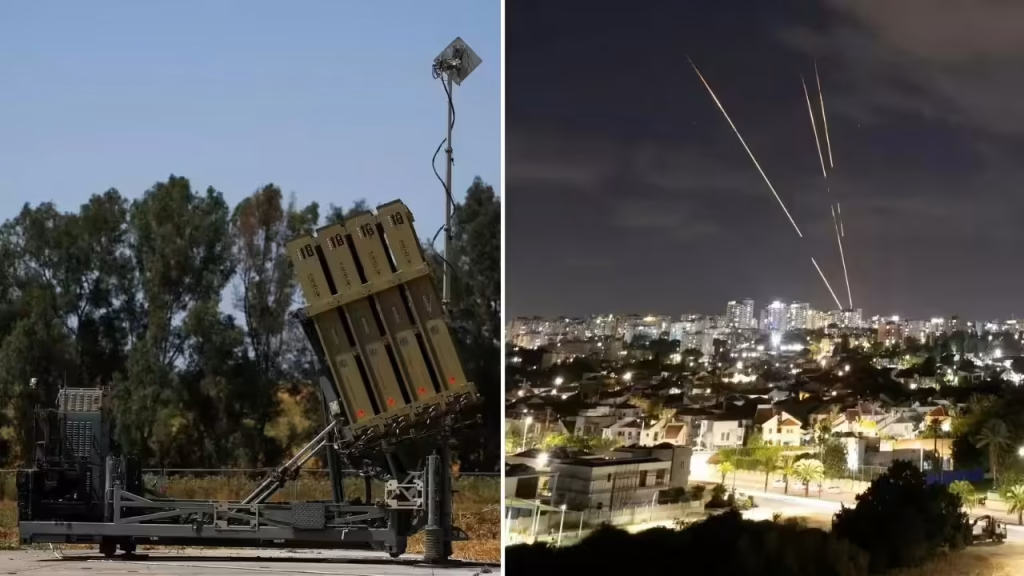
Israel’s Iron Dome is frequently activated during periods of tension. Interceptors are launched within seconds of detecting incoming threats.
Also Read: Trump Signals Possible US Action as Iran Protests Escalate; Israel on High Alert
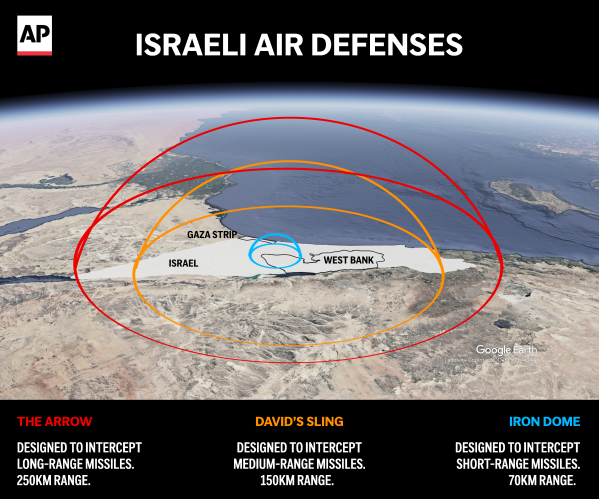
8. Israel’s Layered Air Defence Systems
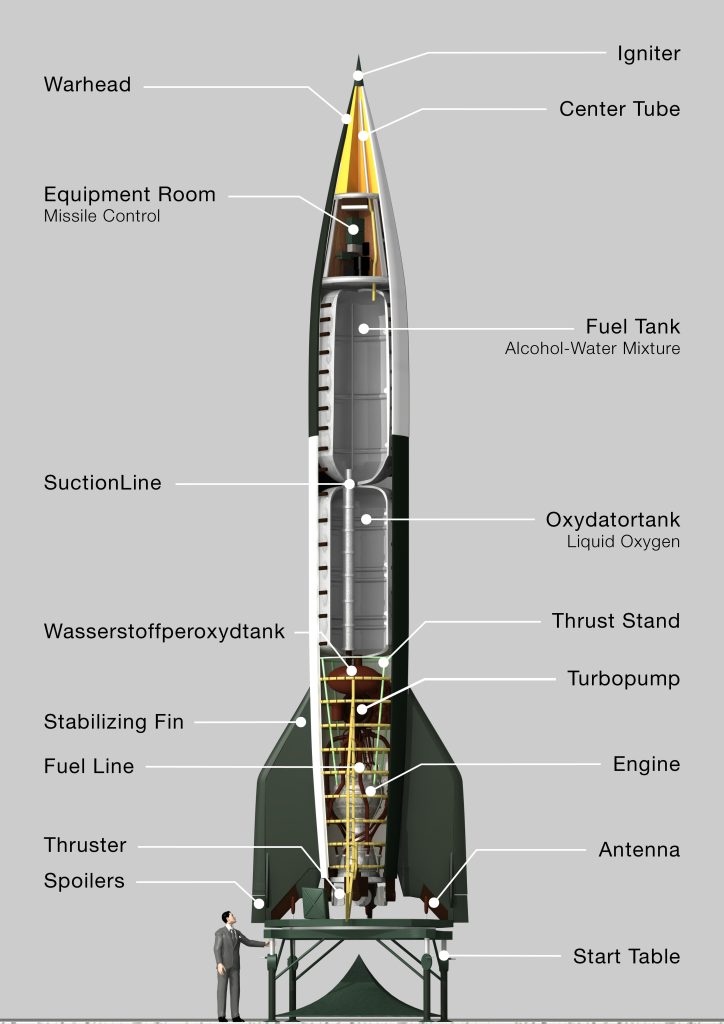
Beyond Iron Dome, Israel uses multiple defence layers to handle different threats, from short-range rockets to long-range missiles.
9. Missiles and Interceptions Overhead
Recent exchanges underline how quickly the skies can fill with missiles and interceptors, turning airspace into the first battlefield.
Sources
This photo article is based on information and imagery from multiple sources, including: AP News, Reuters, NDTV, Al Jazeera, Times of Israel, and Wikimedia, India Today
