

Last Updated on March 2, 2026 by Yash Saini
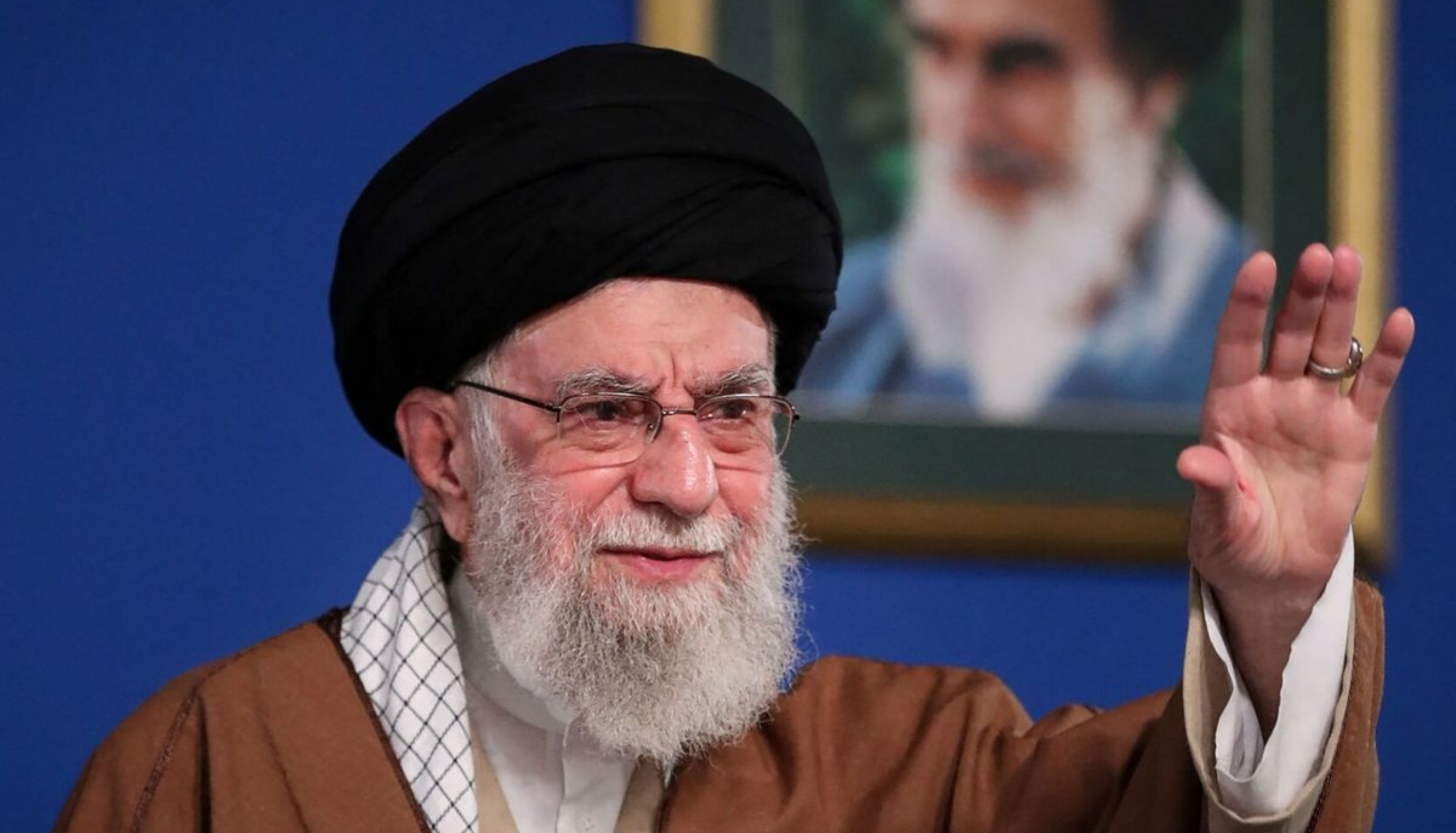
After the sudden death of the supreme leader of Iran, Ayatollah Ali Khamenei, the country faces a severe leadership transition. Iran’s most powerful position is not picked by a general public vote, such as the president. Instead of that, a group of senior clerics chooses the best leader based on the country’s constitution. Currently, Iran is in a period where power is being shared temporarily while the formal selection approach starts.
What Is the Supreme Leader in Iran?
The supreme leader in Iran is the topmost authority, outranking the president and parliament. This position has the authority to control the intelligence, judiciary, nuclear policy, foreign affairs, and military. In addition, the supreme leader also impacts domestic politics, key institutions, and religious affairs. Because of all these powers, this position holds the topmost authority among all.
Also Read: Tehran’s Gandhi Hospital Hit in Israeli Strike: Videos Show Damage as Iran Conflict Intensifies
What Happened After Khamenei’s Death
Ayatollah Khamenei’s death triggered a constitutional process. His passing followed recent issues with the United States and Israel, and it created uncertainty over who will replace him. Moreover, Iran’s system does not allow an instant single successor without a proper process; the country formed an interim leadership arrangement.
Temporary Leadership Council
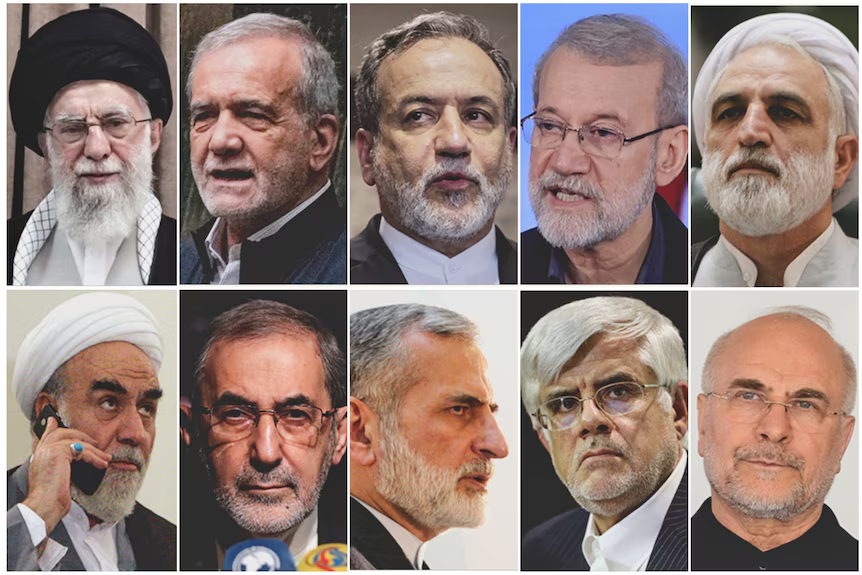
After the death of Ayatollah Ali Khamenei, Iran formed a three-member temporary leadership council under Article 111 of its constitution to avoid a power vacuum. The council included president Madoud pezeshkian, Judiciary Chief Gholam Hossein Mohseni-Eje’i, and senior cleric ayatollah Alireza Arafi.
However, the latest reports say that Arafi has also died shortly after his appointment, further adding to the uncertainty in Iran’s leadership transition. After this death, authorities are expected to appoint another qualified cleric to fill the religious position on the interim council until the assembly of experts picks a permanent supreme leader.
Also Read: PM Modi Condemns UAE Attacks in Call with MBZ, Urges Peace Amid Iran-Israel Conflict
How the New Supreme Leader Will Be Chosen
Iran’s constitution needs the assembly of experts, a group of 88 senior Shiite clerics elected by voters every eight years to pick the next supreme leader. All these clerics meet as soon as possible after a vacancy and pick a leader from among qualified religious figures. However, candidates must display deep religious knowledge, political authority, and loyalty to the Islamic Republic system.
Until this assembly officially picks someone, the temporary council continues to lead. Additionally, there is no exact time written into the law, so it can take days or weeks for a new supreme leader to be picked.
