

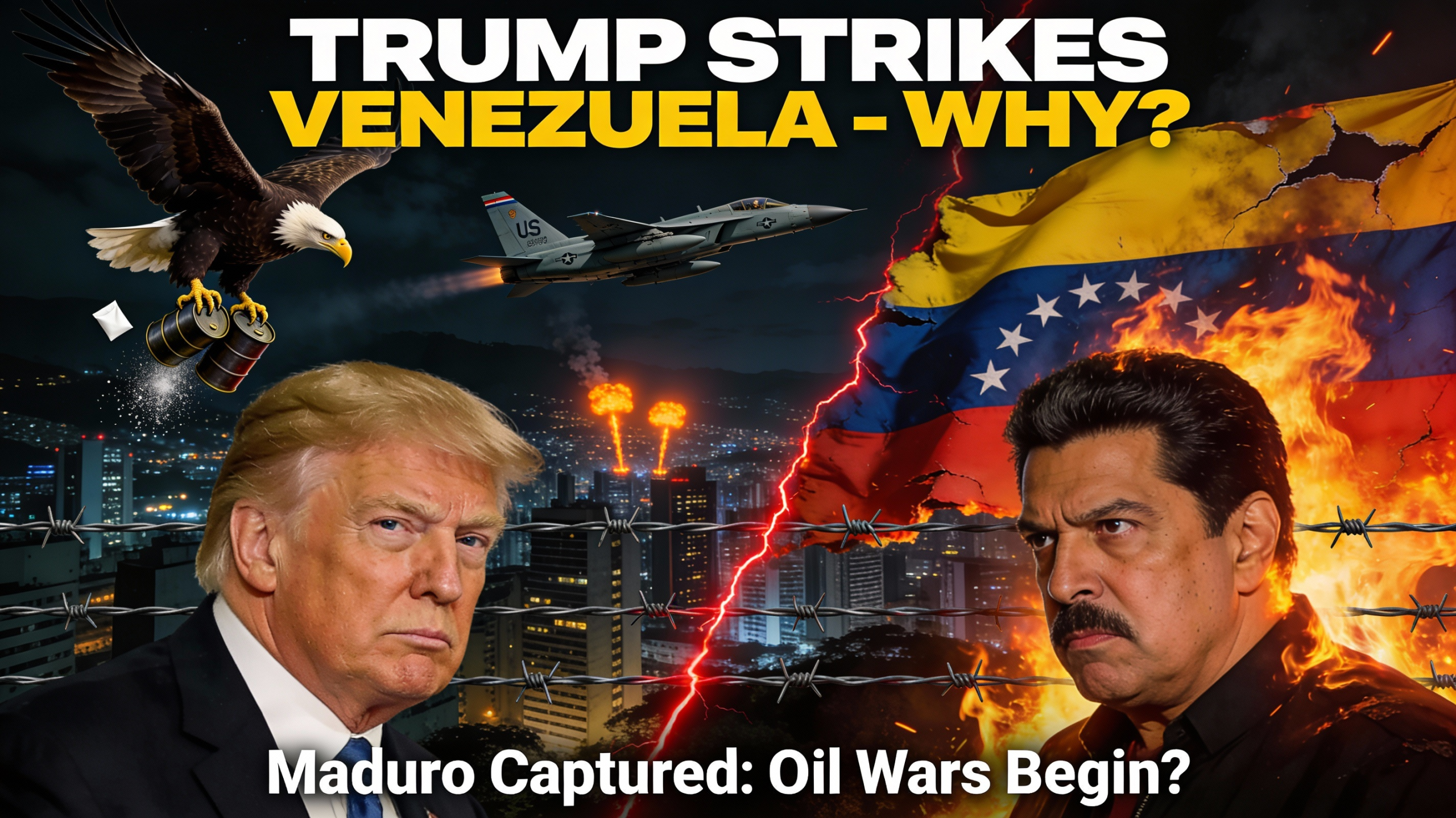
The United States carried out a strike inside Venezuelan territory for the first time amid months of escalating tensions. The mission started at 2:00 AM when American missiles and jets bombed the capital, Caracas, which caused widespread chaos and mass panic.
At the same time, multiple American Helicopters carrying Delta Force soldiers dropped to the ground, and they engaged and defeated Venezuelan ground forces in the capital and made their way to an undisclosed location. Overwhelmed by the U.S. forces, President Nicolas, his wife, and multiple other government officials went to an International Airport where the U.S. military secured a base and were extradited to the United States.
Why Did the US Attack Venezuela?
The situation of the U.S. attacking Venezuela has for a long time been a topic of speculation, but after a sudden military operation in early January 2026, the question has made its way to global headlines. The sanctions and these, among other issues, including oil and drug trafficking allegations, created a situation which was so tense between Washington and Caracas that the U.S. ended up intervening directly. The operation was, according to the U.S. government, a move toward the dismantling of the supposed criminal networks that were being funded by the Venezuelan leaders and securing the area.
What Happened During the US Military Operation in Venezuela?
The U.S. military operation flew in the face of the global tilt of support for Maduro, consisting mainly of airstrikes and the special forces landing in areas such as Caracas and other places chosen as crucial for targeting military and government installations. Trump personally declared that President Maduro and his wife had been taken to the U.S. and were being interrogated, which obviously created a whole new level of conflict. A nationwide state of emergency was imposed by the Venezuelan government, which also reported very loud blasts that were audible not only in the vicinity of military bases but also in civilian places.
What Does the US Gain From Attacking Venezuela?
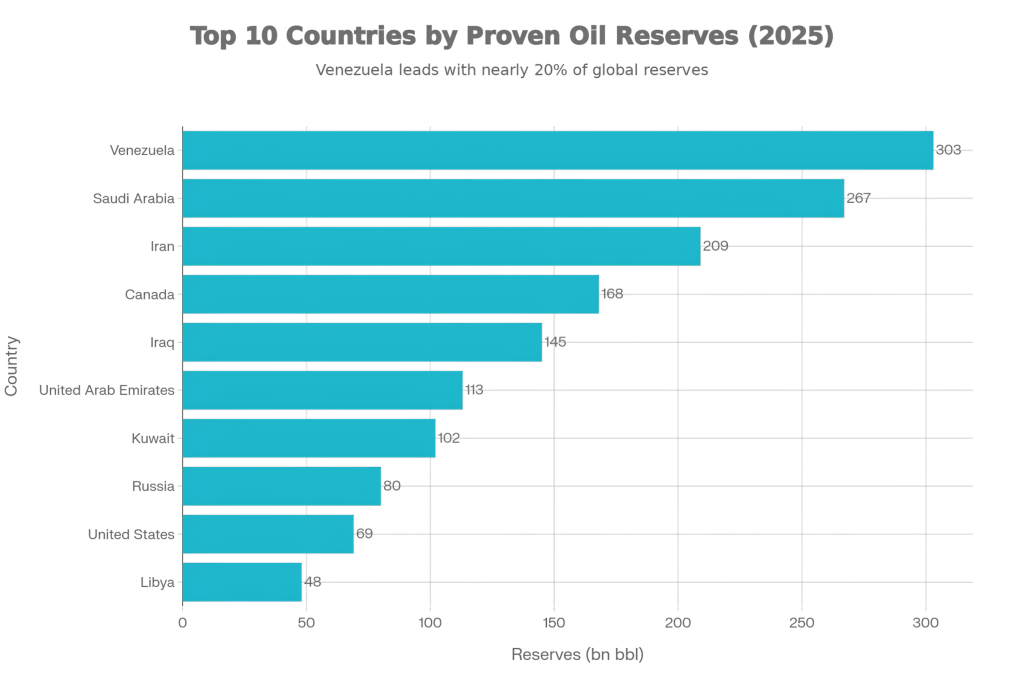
The backers of the military action argue that one of the great benefits for the U.S. in attacking Venezuela would be the greatly diminished trafficking of drugs into the U.S. and the overthrow of the regime, which Washington characterises as dictatorial. The colossal oil resources of Venezuela are the heart of U.S. interests from a strategic point of view. Increased control over the oil production of Venezuela could reshape the global oil market and decrease the U.S. dependence on rival nations.
Is the US Attack on Venezuela Legal Under International Law?
A majority of legal experts assert that neither of the conditions was unequivocally met and, therefore, the operation might be illegal. Within the U.S. legal context, there have been uncertainties regarding whether the President needed to have Congress’s clear authorisation, which in turn complicated the legal disputes.
How Did Venezuela and the World Respond?
Venezuela reacted to the bombings by declaring them a direct aggression and vowing to counterattack. The U.S. was heavily criticized by both Russia and China, who considered the attack a violation of both the sovereignty and the international norms, and thereby condemned the U.S. The governments of a few Latin American countries urged calm and cautioned that one-sided military action could result in the entire region becoming unstable. Humanitarian groups were concerned about the situation of civilians and demanded that independent organisations be allowed to investigate the casualty figures.
Conclusion
The US bombing of Venezuela indicates a turning point in the already strained relationship between the two countries. Though the US government portrays its actions as a necessary reaction to security risks and criminal activities, the majority of the world considers the intervention to be a matter of power, economic and geopolitical interests.