

Last Updated on April 7, 2026 by Yash Saini
The Strait of Hormuz has become the focus of the global community due to the tense Iran-US standoff. The situation has caused international concerns over the security of energy supplies and world trade flows.
These recent events come after the weeks of escalating tensions in the region over the last few weeks. Both sides have not changed their positions. The U.S. has been stressing the necessity of the passage being available for international trade at all times, whereas Iran has affirmed its indispensable role in the security of the region and has shown its dissatisfaction with foreign military presence around its waters.
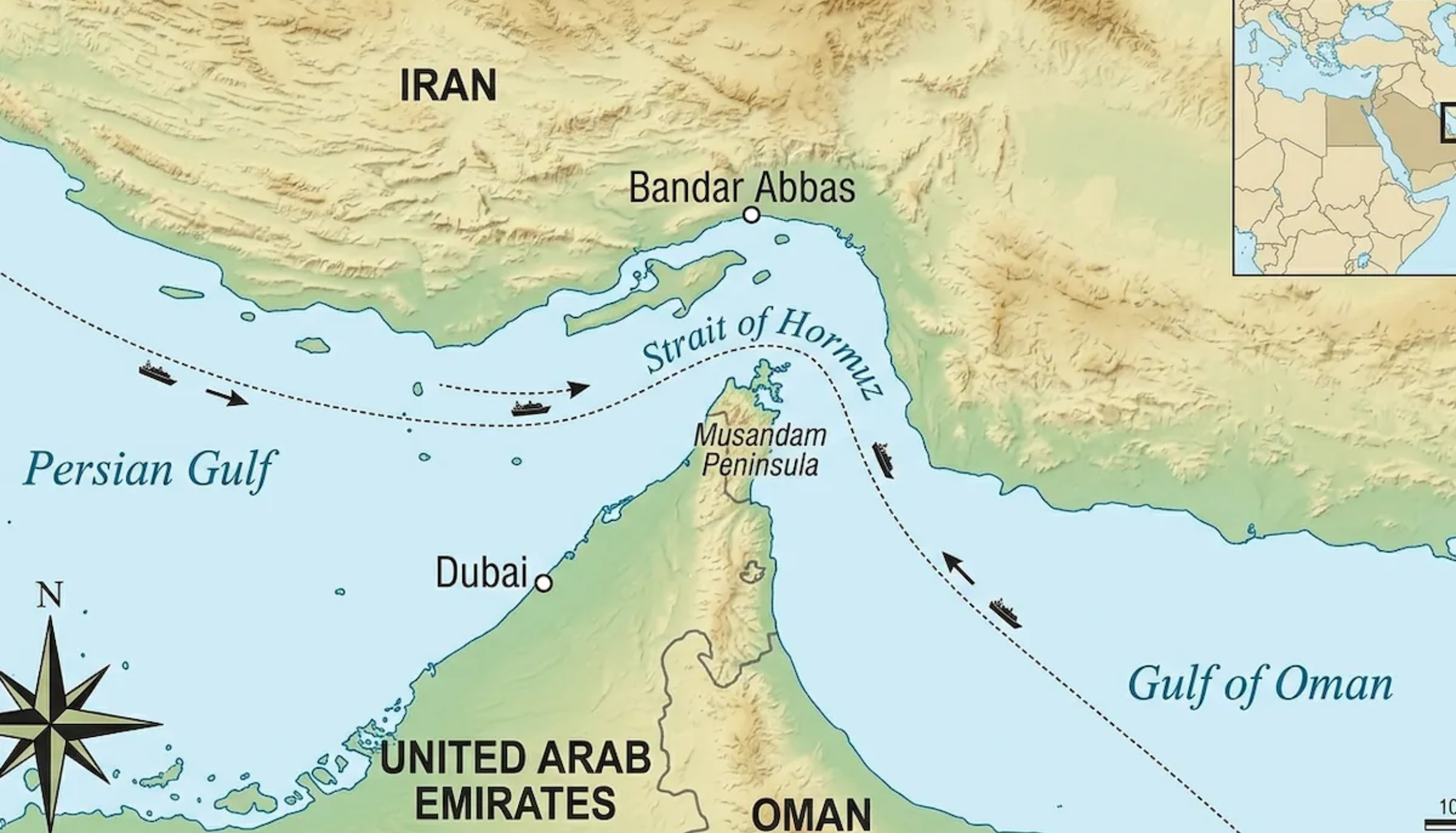
The Strait of Hormuz transports about 20 to 21 million barrels of oil each day, according to the U.S. Energy Information Administration. It lies between Iran and Oman, and connects the Persian Gulf to the Gulf of Oman and the Arabian Sea, and is one of the most important energy chokepoints in the world. The strait is only about 21 miles wide at the narrowest point. Apart from being a strategic link for global oil trade, it also provides a corridor for LNG carriers to meet the energy demand of Asia and other regions.
Also Read: India Says ‘Only Nation to Lose Mariners’ in Iran War, Joins Urgent UK Hormuz Talks
Why Iran Wants Control of the Strait of Hormuz and Why India Matters
Iran’s desire to command the Strait is primarily derived from its geographical location and its aspirations of leveraging political influence. Tehran argues that it is, as a result of its being on the northern bank of the Strait, the natural core of regional maritime security.
Lately, officials in Tehran have stressed that any security framework in the Persian Gulf must be based on the engagement of regional states and not external military presence in the region.
In fact, these fluctuations have already started to cause changes in maritime shipping. As the Strait has seen an increase in risk levels, shipping companies are choosing to be extra vigilant, resulting in effects such as a rise in coverage surcharges and occasional traffic interruptions.
Source: ndtv.com
Why does the Strait of Hormuz Matter?
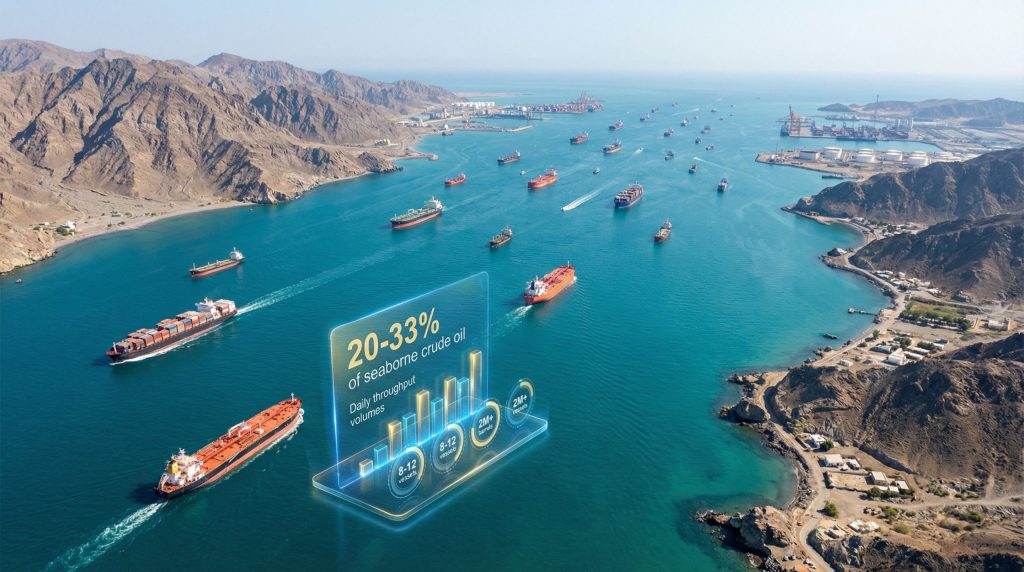
It is the only waterway through which an estimated one-third of the world’s seaborne oil trade flows. This product includes crude oil, oil derivatives, as well as gas.
Key estimates highlight:
- The Strait of Hormuz transports about 20 to 21 million barrels of oil each day, according to the latest energy figures.
- This accounts for roughly 20% of the world’s petroleum liquids consumption, making it one of the most critical routes for global oil supply.
- Around one-fifth (approximately 20%) of the global LNG trade also goes through this passage.
Therefore, even a minor disruption in the Strait can potentially cause severe repercussions spread throughout the global economy.
Strait of Hormuz Impact on India
For India, such developments are of direct economic concern. Since a major part of India’s crude oil and LPG imports comes from the Gulf countries, transported through the Strait, the latter becomes an absolute lifeline for the country’s energy security.
Recently, shipping operations have become fairly restrained, and the freight and insurance rates have gone up. Besides energy companies, even other sectors heavily dependent on these supply chains are bracing for possible disruption scenarios in their operations.
Indian authorities have publicly stated that the matter is under close surveillance. Besides their ongoing coordination with Gulf countries’ suppliers, they are ready to tap into strategic reserves as the last resort. Whereas retail fuel prices in India have so far been quite consistent despite the turmoil globally, this mainly reflects stringent policy measures taken domestically.
Nevertheless, experts point out that continuous escalation in conflict can lead to higher fuel prices, increased costs of transportation, and overall inflationary pressures that would be felt across all sectors.
Also Read: Volkswagen Taigun Facelift India Launch on April 9: Design, Cabin & Specs Revealed
Is the $4.5 Billion ‘Jackpot’ Real?
The expression “$4.5 billion a month jackpot” has been widely used to refer to the value of the oil trade passing through the Strait rather than the amount of revenue earned by any country.
Specialists emphasize that control of such a high-value trade route not only grants strategic leverage but also provides countries with the ability to influence supply levels and price trends across the globe.
What Happens Next?
Since diplomats are still negotiating the ways to avoid a wider conflict, it is not clear how the situation in the Strait of Hormuz will evolve. Stakeholders worldwide are closely monitoring the situation as it may have implications for the energy market and global trade.
India and other countries that import energy will probably try to make sure that their supplies are not disrupted while, at the same time, they will have to handle risks that may arise from world price fluctuations. As this matter unfolds, the Strait will remain a key factor in determining the economic and geopolitical scenarios worldwide.
