

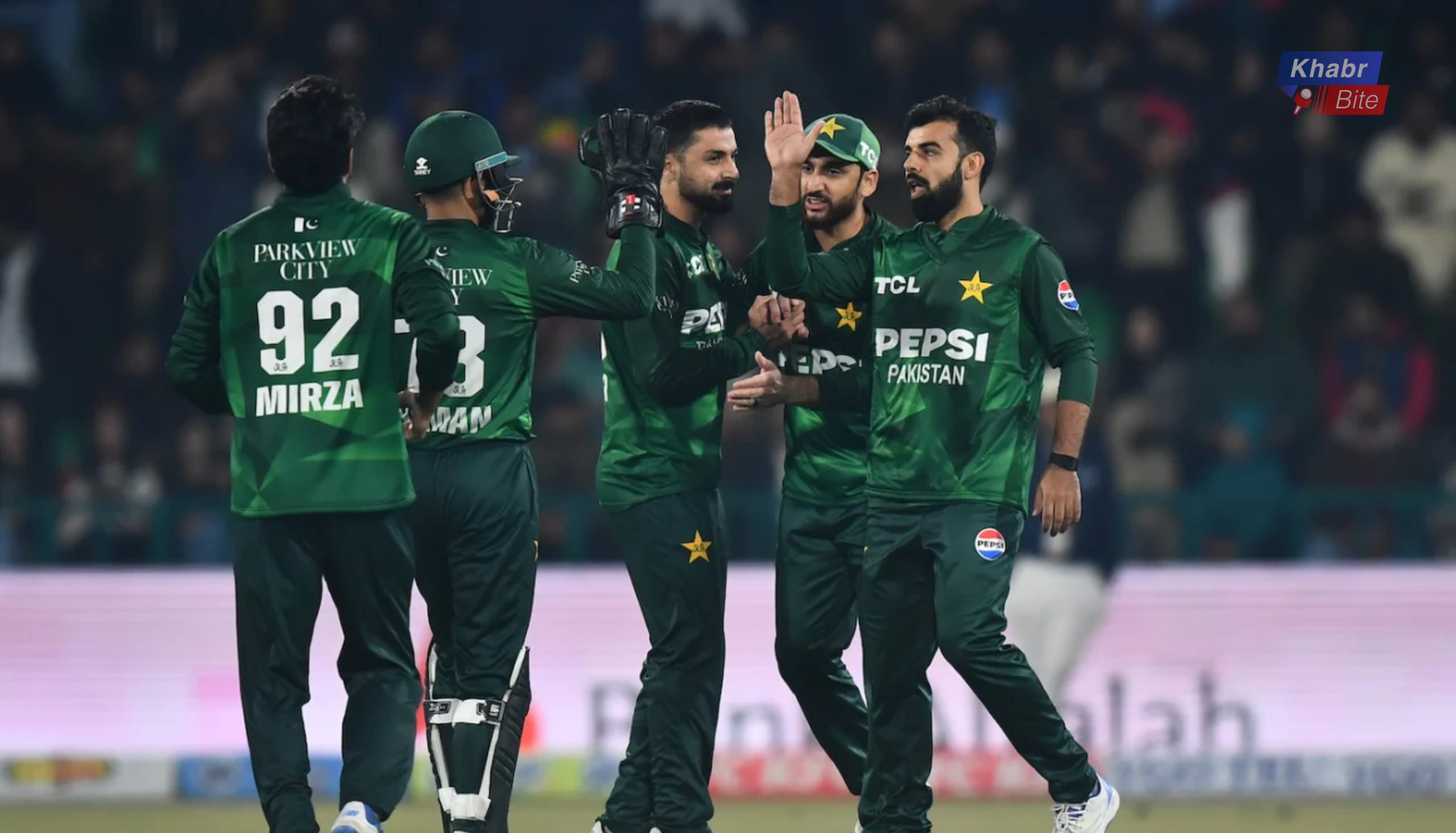
Pakistan has confirmed its participation in the T20 World Cup 2026, but has put an unprecedented situation in front of the International Cricket Council (ICC): a boycott of the group stage match against India. While the world is awaiting the India vs Pakistan rivalry, the boycott threat is shocking and unpleasant to the ICC and global fans.
Pakistan to Boycott T20 World Cup Matches With India
On February 1, 2026, the Government of Pakistan officially announced in a tweet that it had approved its national cricket team to participate in the 2026 ICC Men’s T20 World Cup. However, the post clearly mentioned that their team will boycott its group-stage match against India, scheduled for February 15, 2026, at R. Premadasa Stadium, Colombo, Sri Lanka.
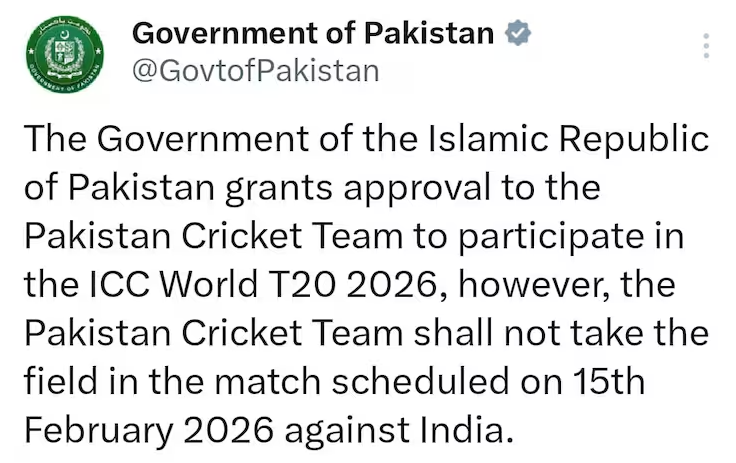
Notably, the decision came just days before the beginning of the T20 World Cup tournament on February 7, 2026. It could create a major crisis for the International Cricket Council (ICC) and broadcasters.
Why Pakistan Would Not Play Against India?
While the Pakistani government did not exactly specify the reason behind this decision, it is allegedly connected to Bangladesh’s removal from the T20 World Cup. In January, the government of Bangladesh refused to play the matches in India, citing security concerns, leading to Scotland replacing them in this tournament.
During the ICC voting on this matter, the Pakistan Cricket Board (PCB) was the only one that publicly backed Bangladesh, while the other 14 nations rejected the request.
Additionally, the India-Pakistan cricket relationship has been in jeopardy for quite some time. The issue escalated with India’s refusal to travel to Pakistan for the ICC Champions Trophy. Indian players also refused to shake hands with Pakistan in the Asia Cup 2025 in the aftermath of the terror attack in Pahalgam.
These matters are supposed to be the reasons behind Pakistan’s refusal to play with India.
ICC Flags Consequences to PCB Over Boycott
The ICC has expressed serious concerns about this never-before-seen situation of selective participation. in a global tournament. It has urged the PCB to assess the consequences of this move, as it could disturb the ICC ecosystem, of which Pakistan is also an active member and beneficiary.
“The ICC hopes that the PCB will consider the significant and long-term implications for cricket in its own country, as this is likely to impact the global cricket ecosystem, which it is itself a member and beneficiary of.”
It also mentioned that, though they recognized the authority of the government in foreign policy matters, skipping a scheduled match is incompatible with international sports events.
The ICC explained that all the qualified teams for the tournament are expected to adhere to the scheduled matches, and such selective participation weakens the foundations and damages the credibility of the events.
Will there be no India vs Pakistan in the T20 World Cup 2026?
Per reports from the Times of India, ICC is awaiting the official communication from the Pakistan Cricket Board. So it is uncertain at this time whether the matches will happen or not.
“While the ICC awaits official communication from the Pakistan Cricket Board (PCB), this position of selective participation is difficult to reconcile with the fundamental premise of a global sporting event where all qualified teams are expected to compete on equal terms per the event schedule.
Also Read: ICC Men’s T20 World Cup Player of the Tournament Winners (2007–2024)
What Will Happen If PCB Continues Its Boycott?
Notably, India is all set to appear for its February 15, 2026, match against Pakistan. If Pakistan’s team doesn’t show up, India will receive two easy, automatic points for the forfeiture and zero to the other team.
Experts suggest Pakistan’s boycott could significantly impact their earnings and result in a sharp drop in their Net Run Rate. Eventually, this decision would affect their group-stage standing and qualification prospects.
Additionally, ICC may seek legal or financial compensation from the PCB for the Members Participation Agreement (MPA). Interestingly, there is a certain curiosity about what will happen if the boycott extends to a potential semi-final or final match.