

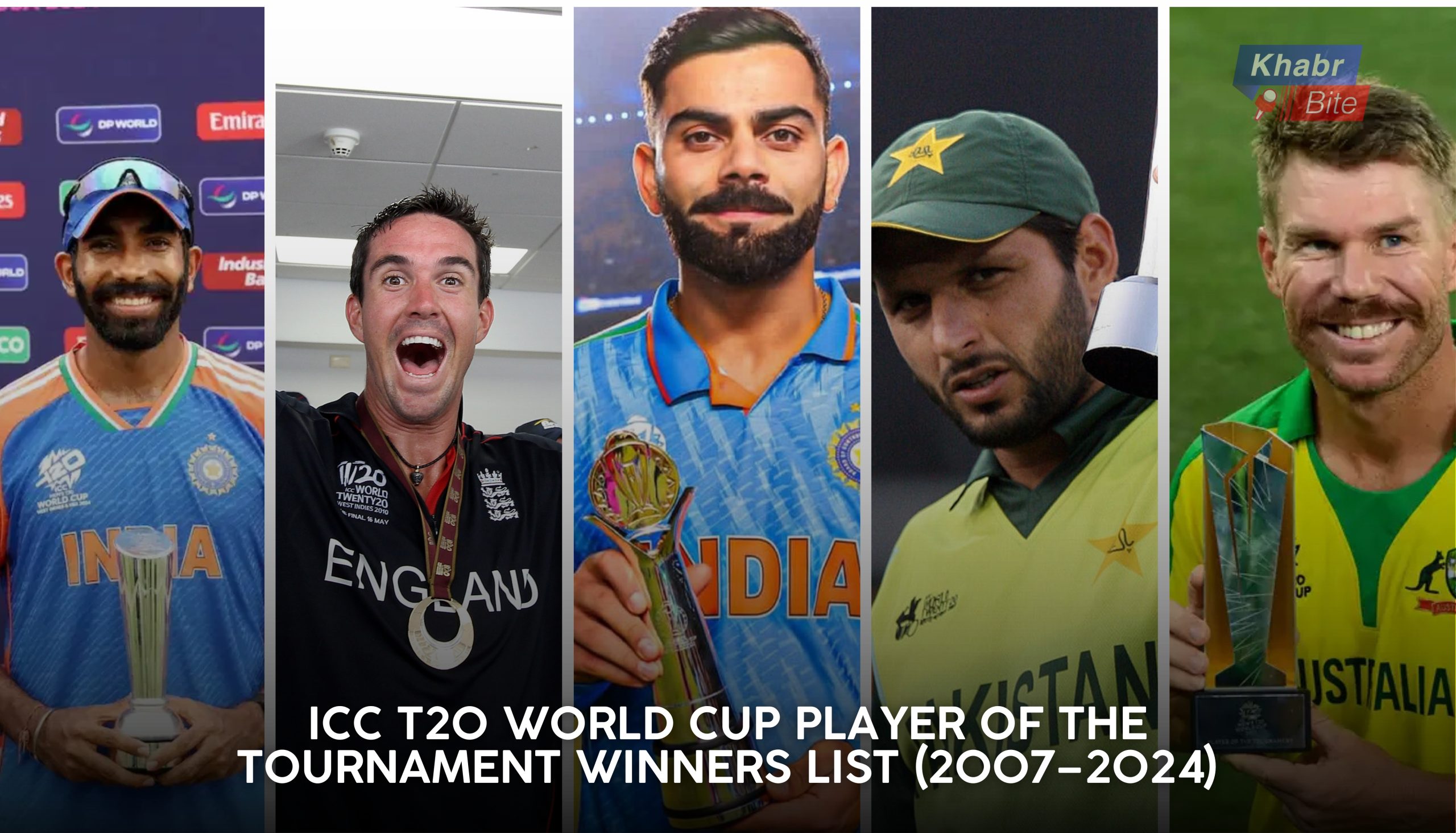
Since its inception in 2007, the ICC Men’s T20 World Cup has recognized amazing players for their sustained excellence over the course of its history. Heading into the 2026 World Cup, with 20 teams playing in 55 matches at venues in India and Sri Lanka, we can examine how former winners set the bar with their contributions.
Shahid Afridi was the first recipient of this award in 2007. He took 12 wickets and scored 91 runs at a very quick strike rate, which helped him win the Player of the Tournament award. This performance-based award has historically been given to players who deliver match-winning performances in high-pressure situations.
Also Read: International Cricket Council Names Umpires
Full List of ICC T20 World Cup Player of the Tournament Winners (2007-2024)
| Year | Winner | Team |
| 2007 | Shahid Afridi | Pakistan |
| 2009 | Tillakaratne Dilshan | Sri Lanka |
| 2010 | Kevin Pietersen | England |
| 2012 | Shane Watson | Australia |
| 2014 | Virat Kohli | India |
| 2016 | Virat Kohli | India |
| 2021 | David Warner | Australia |
| 2022 | Sam Curran | England |
| 2024 | Jasprit Bumrah | India |
Afridi hit massive sixes and took wickets to define his record in 2007, while Dilshan created a new level of aggression at the top of the order, enabling Sri Lanka to win the T20 World Cup in 2009. In 2010, Pietersen had the versatility to help England win, while in 2012, Watson had the all-round ability to lift Australia to victory.
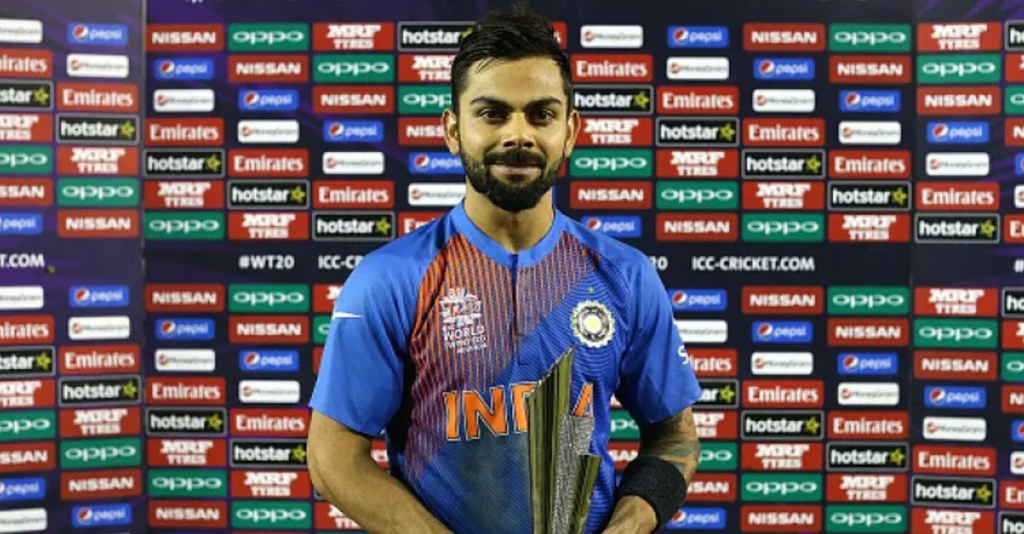
Kohli dominated in 2014 and 2016 with his chase ability and stability at the top of the order. Warner’s performance as an anchor helped guide Australia’s victory in 2021, while Curran’s bowling helped England turn around matches in 2022, and Bumrah’s control helped give India a title in 2024.
Also Read: ‘T20 Is Not the Cricket World Cup’: Sanjay Manjrekar Ignites Debate
2026 Tournament Context
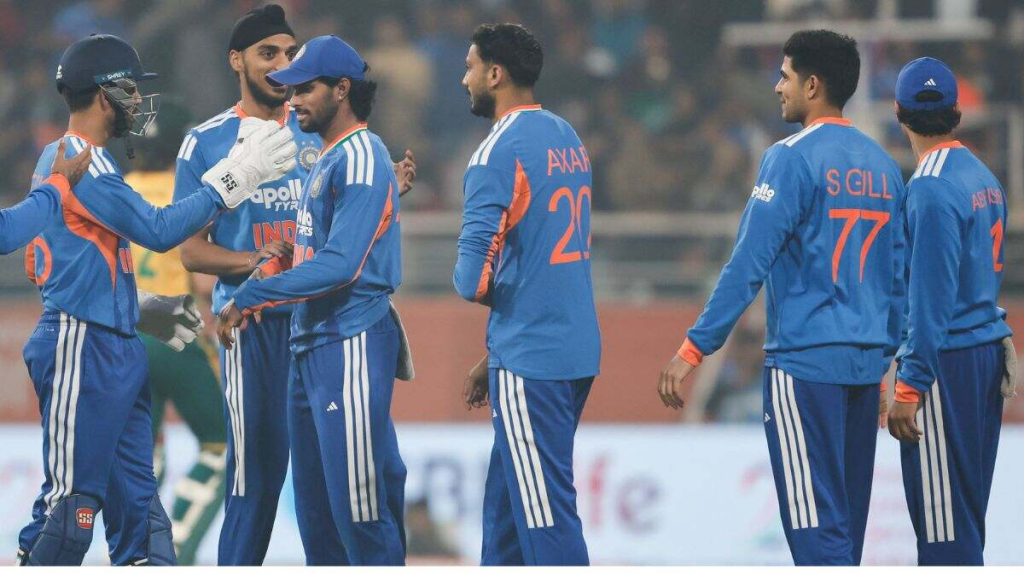
As per the recent reports, the 2026 tournament will consist of four groups feeding into the Super 8s, semi-finals, and final. The matches will be played at five stadiums in India and three in Sri Lanka.
With the requirement for consistency in performances over multiple matches, the results from this tournament will be compared to those previously achieved by the heroes of this sport.
Historically, the players who have the best performances are those who have a combination of skills and composure. The ability to adapt to pitches that are likely to be spin-friendly will be the deciding factor for the next player to be on this elite list.